Befriending the Inner Child
We've all come to believe in some particular way that we are weak, slow, defective, ugly, unlovable or just plain, "not enough." We mistakenly believe that if we're mean or cruel enough, somehow we will slough off our bad habits. Instead, we're practicing being cruel to ourselves, sending us into a depression that deepens the hole we're already in.
One of my clients describes this experience she had in grammar school. Being the chubbiest and slowest of the other kids performing wind sprints in Mrs. Wahlberg's P.E. class, my client would often come in last. Already tired and overwhelmed from being beaten, Mrs. Wahlberg would make her run several more wind sprints on her own while been scoffed at by the other kids. To this very day she pulls out her own Mrs. Wahlberg when the tax bill hasn't been paid; the bags from last weekend's vacation haven't been unpacked; and, oh yes, when she has totally forgotten to write a thoughtful response to that person who emailed her last week. As the "to do's" build up, so does the overwhelm.
The anxiety can be so debilitating that it swirls inside of her, almost like a lava lamp. Throughout most of her day, she anxiously wonders to herself, "What have I let slip through the cracks? Am I doing 'the right thing' at this moment? Am I on the right track?" Secretly she wonders, "Will I ever know what 'the right track' is?"
Instead of gathering her wits about her, my client invites Mrs. Wahlberg and the kids in her class to mock her: "You're chubby. You're slow. You're weak. You're lame." All the while, my client mistakenly believes that this will somehow motivate her to get unburied from the mountain of tasks, known and unknown, that await her.
This may sound like someone else's story, but it's actually all of our stories. We've all come to believe in some particular way that we are weak, slow, defective, ugly, unlovable or just plain, "not enough." We've gathered plenty of evidence that validates our insufficiency. When we find ourselves yet again in situations that confirm our flaw, we beat ourselves up.
Here's the kicker. We mistakenly believe that if we're mean or cruel enough, somehow we will slough off our bad habits. Instead, we're practicing being cruel to ourselves, which stimulates the stress hormone, cortisol, into our blood, sending us into a depression that deepens the hole we're already in.
Below the self-loathing and the accompanying longing that we'd just get this part of ourselves handled is a deep and old wound. It's the kind of wounding that can happen in Mrs. Wahlberg's P.E. class; when dad married the bitch that wished I hadn't existed or; as in my case when my brother took his life and nobody knew how to help.
These experiences leave exquisitely tender marks on the mind, body and spirit. To make contact with these imprints can be like putting our hand on a hot stove. They burn. We don't know how to keep these parts of ourselves company; in fact we've spent a lifetime wishing they would just go away.
There comes a point for many of us, however, when we stop running from them, when we stop attempting to beat ourselves into submission. Maybe someone shows up who can help us, or maybe we end up completely overwhelmed and can no longer keep up the facade. However it happens, instead of running from them, we turn around and look. We find a gentle and tolerable way to keep these parts of us company. When we do, we begin to discover that instead of needing to be excised, these parts of ourselves are actually hidden with treasures of insight, compassion and wisdom.
As my client learns to keep this underlying pain company, to welcome it, to have compassion for herself, she's starting to discover that when she's triggered, she can use it as an invitation to come back, come back to the chubby, little girl being abused in Mrs. Wahlberg's class.
"Above all else," she says, "We don't abuse children. Above all else, I don't abuse myself."
A Powerful Antidote to the Inner Critic
There is a powerful antidote to the Inner Critic, but you will need to learn how to cultivate it: self-compassion. The more warmth you can give yourself, the less the Inner Critic needs to take over.
There is a powerful antidote to the Inner Critic, but you will need to learn how to cultivate it: self-compassion.
Compassion means “to suffer with.” When you see a small child break an arm, you naturally feel moved to offer kindness and comfort. You may not be able to stop the pain, but just being there to hold a hand and say reassuring things can soothe some of the suffering. Your presence has a calming and encouraging effect.
Both giving and receiving kindness releases oxytocin, a.k.a. “the love hormone,” which makes us feel warm, safe and connected. It’s an incredibly powerful hormone that gives mothers overwhelming love for their infants even after the pain of childbirth.
Self-compassion is about keeping good company with yourself when you are suffering. If you can learn to flood your brain with oxytocin, your emotional pain—acute, chronic and deeply buried traumas—can heal and shift. The more warmth you can give yourself, the less the Inner Critic needs to take over.
Few of us were taught to consider relating to ourselves at all, much less compassionately. You may believe that compassion needs to come from others, not yourself. This idea is due in part to the Inner Critic’s fear that if you are too kind to yourself, you will succumb to your weaknesses.
But self-compassion isn’t self-pity or self-indulgence. It’s not getting wound so tight around your problems that you lose sight that others are suffering, too. It’s not chowing down a pint of ice cream. It’s not giving yourself permission to lash out at others or letting yourself off the hook.
Compassion isn’t something that you need to earn for being good enough. The child with a broken arm didn’t do anything to deserve your compassion. You deserve to feel compassion for yourself because all human beings deserve compassion. You are a child of the sun. It shines on you with as much warmth as it shines on every other living thing. And why shouldn’t it?
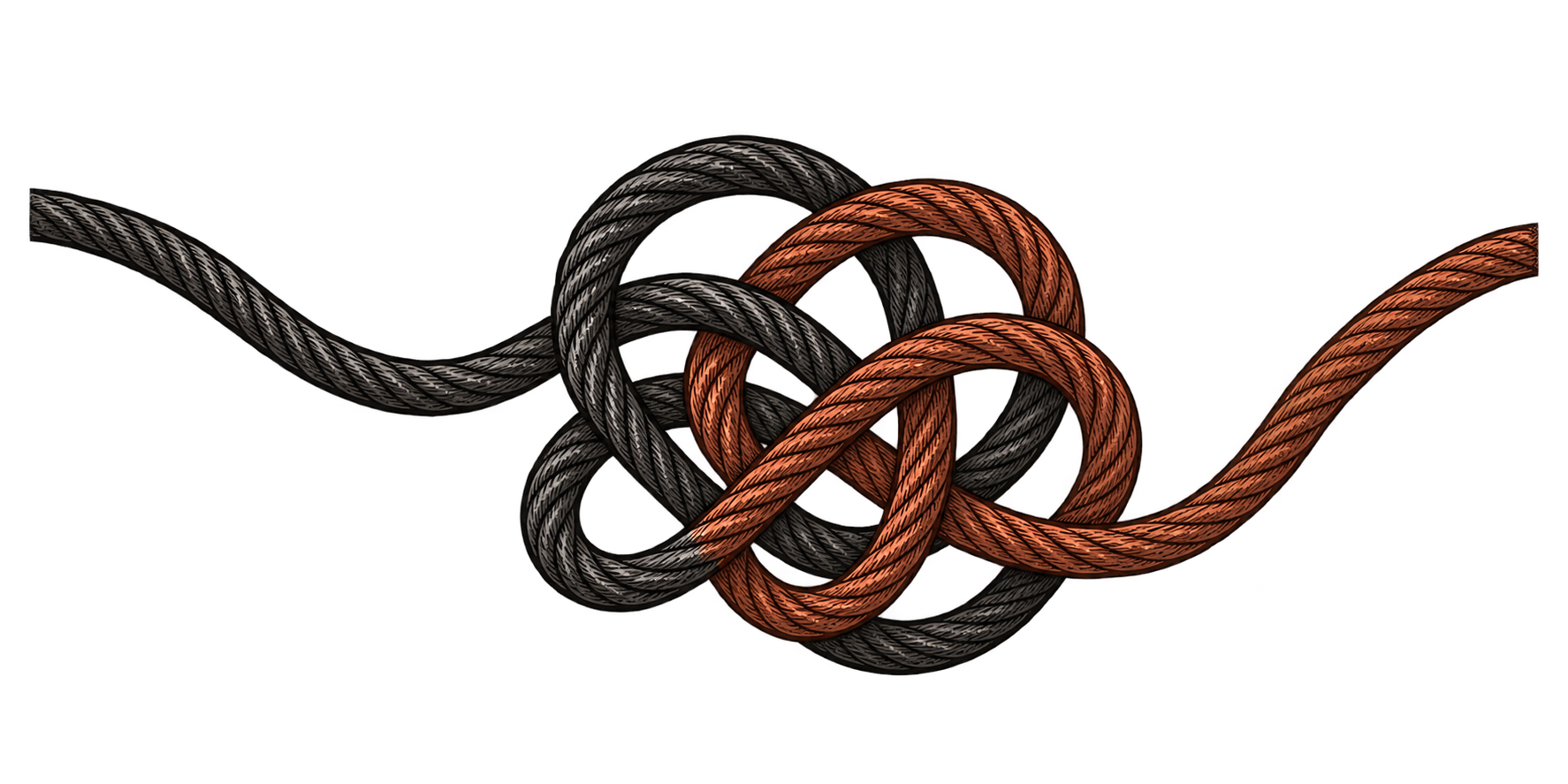
Self-compassion is your antidote that can be applied no matter what you’ve done or haven’t done. It will heal the knotty parts of yourself that have never been adequately acknowledged or cared for. Demanding that these parts shut up, stop whining or get it together doesn’t make them go away, does it? Self-compassion has a way of melting the knots.
Tool: Loving-kindness Meditation
A kind and loving approach to self may be antithetical to the way you have been raised. If that’s the case, it’s helpful to develop a practice of self-compassion. I’m partial to Loving-Kindness (a.k.a. Metta) Meditation. It comes from the Mindfulness tradition and is designed to develop warm feelings for ourselves and all beings.
1. Loving-Kindness to Yourself
With an open, loving heart, breathe gently, and recite the following traditional phrases directed toward your own well-being.
May you be happy.
May you be safe
May you be well
May you be free from suffering.
For most of us, offering ourselves love is foreign. Be aware that this may feel awkward or irritating at first. If that happens, it’s especially important to be patient and kind with yourself. It may help to visualize yourself as a young child.
Alternatively, you might find it easier to bring to mind a friend or loved one—living or non-living—or an animal that loves you as you are. Someone who wants you to be happy, who when you think of them brings a sense of warmth to your heart. Envision this being sending you your good wishes in the four phrases above.
When you receive loving-kindness from another, it will fill you with positive feelings of abundance and goodwill. It can help to repeat the phrases multiple times, paying particular attention to the intention behind them.
2. Loving-Kindness to Those You Care About.
After you connect to the preciousness of being loved unconditionally, you take this overflowing abundance of love and goodwill and direct your attention to a person or animal beyond yourself, a friend, a loved one and someone in need. Holding them in your mind’s eye, you send the same wishes:
May you be happy.
May you be safe
May you be well
May you be free from suffering.
3. Loving-Kindness to Toward All Beings
Often at this point in the meditation you will begin to feel a kind of opening of the heart, a sense of inclusivity. In this step, you expand your loving-kindness to those in distant places that you may never come in contact with.
We might imagine everyone in your city, state or country. You might include everyone in the world or in a particular place.
May you be happy.
May you be safe
May you be well
May you be free from suffering.
You might also bring to mind someone who could really use loving-kindness, such as an infant in a far away land just being born, someone dying, or someone caring for a sick parent saying internally to ourselves.
You might also include non-humans, too. You might visualize all animals and plants, a particular animal or even a single celled amoeba, bacteria or virus.