The psychiatrist and Holocaust survivor Viktor Frankl wrote about the freedom to choose how we respond to what happens to us. A familiar quotation often associated with his work expresses that idea:
Between stimulus and response there is a space. In that space lies our freedom and power to choose our response. In those choices lie our growth and our happiness.
The Viktor Frankl Institute explains that Stephen R. Covey found this quotation in a book whose author and title he did not record, then used it to describe Frankl’s views. It is not a verified quotation from Frankl.
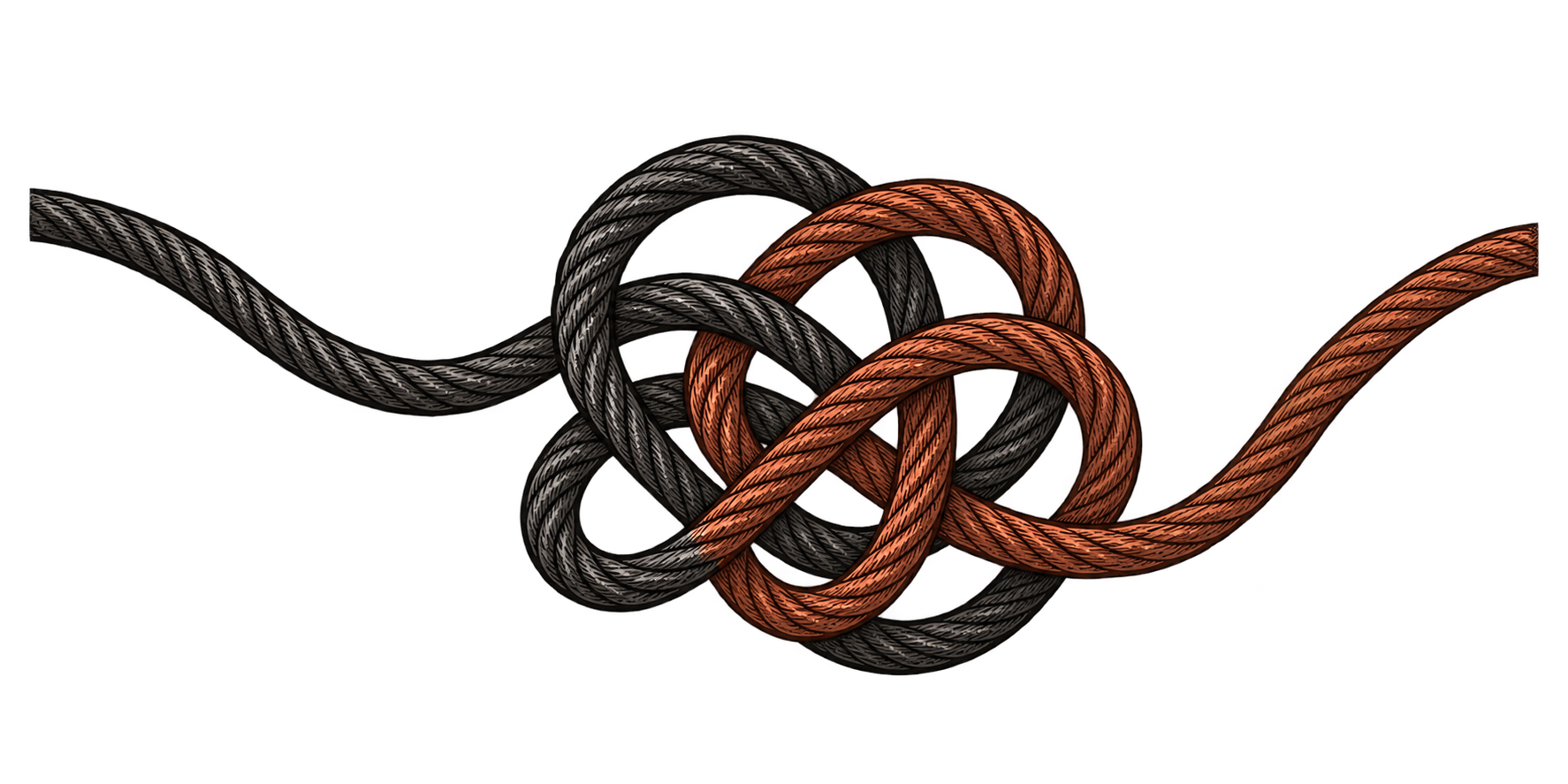
When it comes to wise leadership, this idea points to the fact that our success is not contingent on what happens to us, but on how we respond to what happens. So if we are going to have the impact we want, we need to find an access to that elusive space between what happens to us and how we respond. This capacity eludes us when a primitive structure in our brain has taken over. This structure, called, the amygdala, was historically useful because it helped us cope with the threat of a wooly mammoth chasing us down.
Amygdala Hijack When the amygdala goes into hijack mode, it stirs strong emotions, like fear, revulsion, or overwhelm. While it is attempting to steer us safely away from danger and toward safety, it also seizes power from another important brain structure, the middle prefrontal cortex. This higher brain structure enables our capacity to create a nuanced response, thus, allowing us to orchestrate thoughts and behaviors based on our goals.
Below is a useful three-step formula created by Brother David Steindl-Rast, a Benedictine monk known for interfaith dialogue and his work on the interaction between spirituality and science. He came up with this three-part “Recipe for Grateful Living: Stop! Look! Go!”(1) While this model is a gratefulness practice, it works equally as a practice for building the mindfulness muscle throughout the working day. If practiced consistently, it allows us to create a space between what happens to us and how we respond so that our amygdala hijack doesn’t determine our outcome, but, instead, our middle prefrontal cortex does.
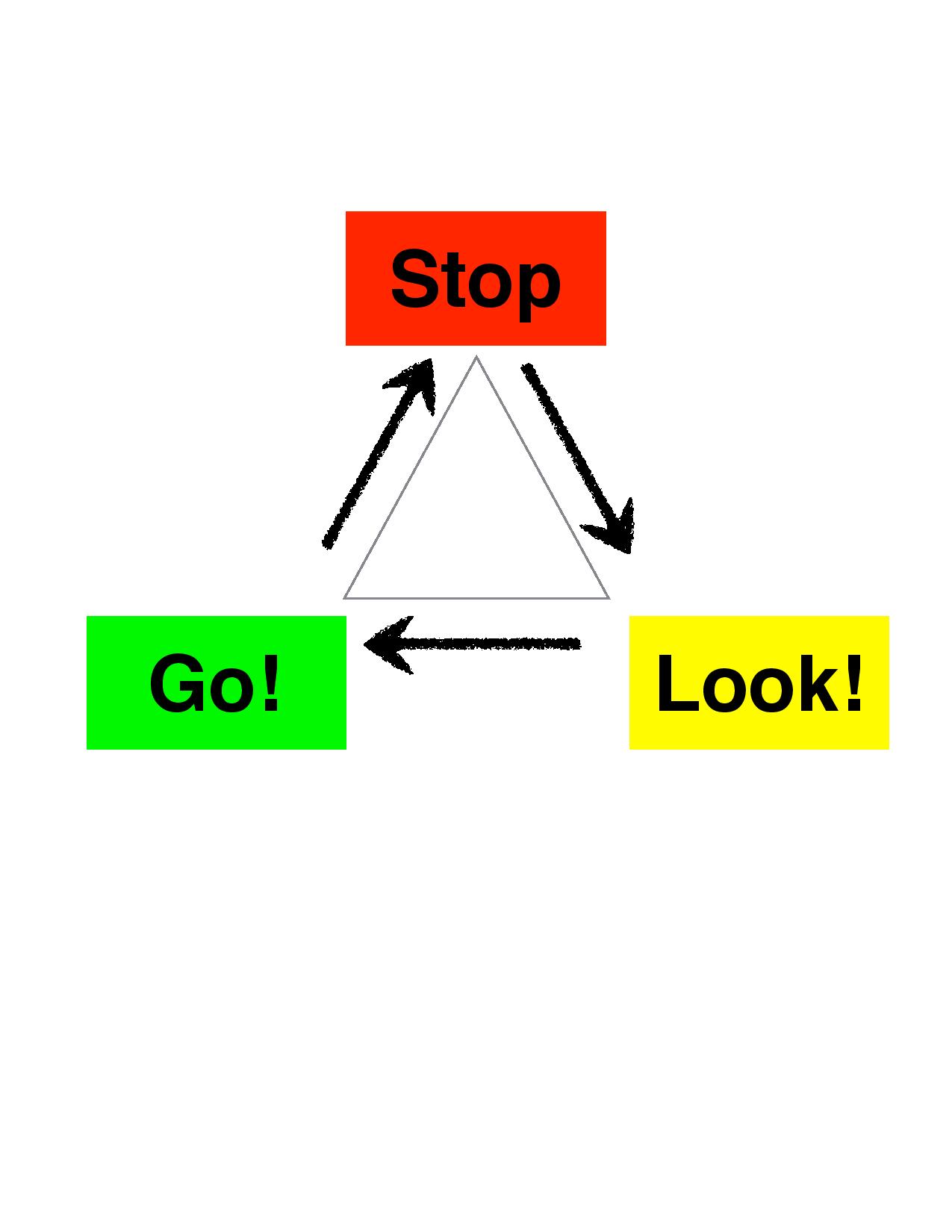
Stop! Let’s start with an example to make this model come alive: It comes to our attention that someone we manage has mishandled a longstanding and loyal customer relationship, and we are angry, really angry. Our amygdala’s been hijacked. If we are going to have half-a-chance of responding wisely, we’re going to have to create some mental time and space before we confront him or her. As a quick rule-of-thumb, we’ll stop long enough to allow our emotional reactivity to diminish enough so that we can see options that are non-defensive or aggressive. We want to give the middle prefrontal cortex enough time to come online.
Look! And once it has, we can formulate a response that bridges the gap between the impact we want to have in the situation versus the reaction we want to spew. In the case of the employee who does not recognize the mistake, we might consider seeing the situation from his or her perspective. Or maybe we decide to let them know that we do not agree with them or that they’ve disappointed us.
Go! Many of us get stuck in the Stop! and Look! phases, waiting for a “good feeling” to occur. But really, it requires that we just take the step that’s in front of us. And it’s not that all action is complete.
Stop! Look! Go! → Stop! Look! Go! → Stop! Look! Go!
Whatever action we’ve taken, we return to Stop! and Look!. Did we get the result we intended? If we shared our disappointment with our employee, but he or she continues to disregard us, it might even be useful to take hard action. Stop! Look! Go! then becomes a circular pattern of mindful engagement.
By learning how to stand outside of the continuous motion of life, we begin to step into an observer’s perspective. We can see the patterns arise, but we need not react to them. In other words, Stop! Look! Go! gives us a greater degree of objectivity. Of course, we will never be truly objective. Nevertheless, our capacity for wise leadership increases exponentially because we have given ourselves the space needed to stay present, even-minded and non-reactive.
Footnotes (1)Steindl-Rast, Br. David. “Stop! Look! Go!: The Recipe for Grateful Living. Gratefulness.org. Web. 14 Nov. 2014. http://www.gratefulness.org/readings/dsr_recipeforjoy.htm